How to Overcome Test Anxiety Naturally
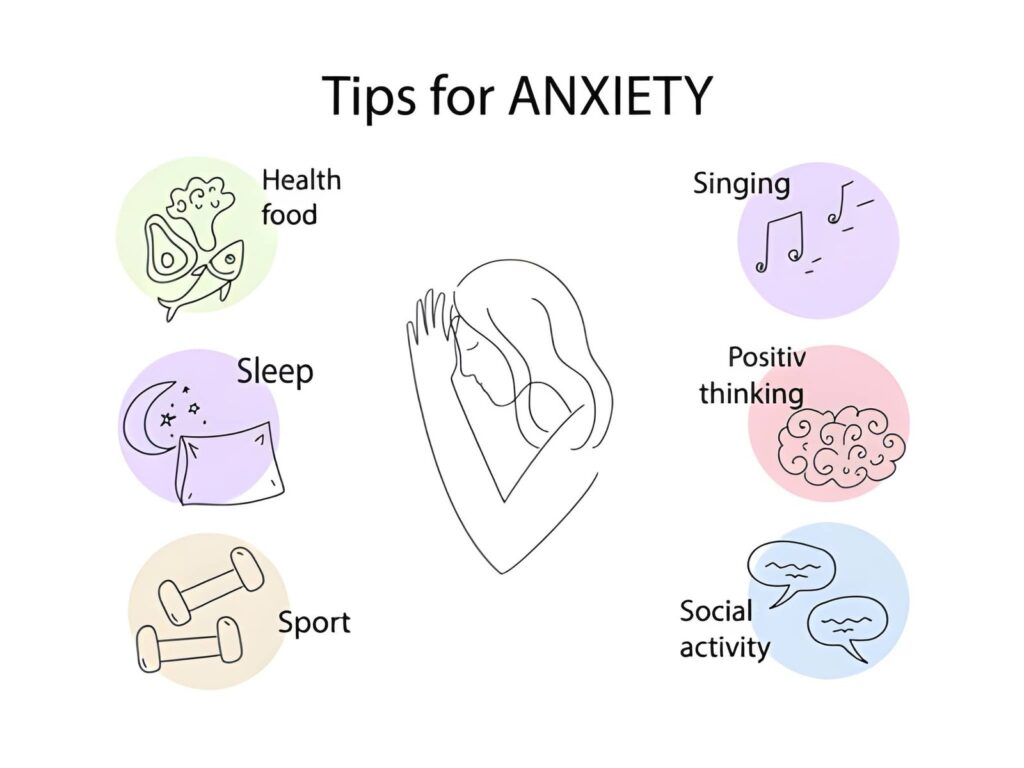
Test anxiety is a common challenge for students of all ages. Whether you are https://tg88.gold/ preparing for a school exam, college entrance test, professional certification, or driving test, feeling nervous beforehand is normal. However, when anxiety becomes overwhelming, it can affect concentration, memory, confidence, and performance.
The good news is that you can overcome test anxiety naturally with simple, practical strategies. By preparing your mind and body, building healthy habits, and learning calming techniques, you can walk into your exam feeling more focused and in control.
What Is Test Anxiety?
Test anxiety is a type of performance anxiety that happens before or during an exam. It may cause physical, emotional, and mental symptoms such as:
– Racing heartbeat
– Sweaty palms
– Shaking or nausea
– Trouble concentrating
– Negative thoughts
– Fear of failure
– Forgetting information you already studied
A small amount of stress can motivate you to study and stay alert. But too much anxiety can interfere with clear thinking. Learning how to manage test anxiety naturally can help you perform at your best.
1. Start Studying Early
One of the most effective natural ways to reduce test anxiety is preparation. Waiting until the last minute increases stress and makes it harder for your brain to retain information.
Instead, create a study schedule several days or weeks before the test. Break your material into smaller sections and review a little each day. This method is more effective than cramming because it gives your brain time to understand and remember information.
Try using:
– Flashcards
– Practice tests
– Study guides
– Summary notes
– Timed review sessions
When you feel prepared, your confidence grows, and anxiety naturally decreases.
2. Practice Deep Breathing
Deep breathing is a simple but powerful technique for calming test anxiety. When you feel anxious, your breathing often becomes fast and shallow. This can make symptoms worse. Slow, deep breathing signals your nervous system to relax.
Try this breathing exercise:
- Inhale slowly through your nose for four seconds.
- Hold your breath for four seconds.
- Exhale slowly through your mouth for six seconds.
- Repeat for one to three minutes.
You can practice deep breathing before the exam, while studying, or even during the test if you start to feel overwhelmed.
3. Use Positive Self-Talk
Negative thoughts are a major cause of test anxiety. Thoughts like “I’m going to fail” or “I’m not smart enough” can increase panic and reduce focus.
Replace negative thoughts with positive, realistic statements. For example:
– “I have prepared for this.”
– “I can answer one question at a time.”
– “Feeling nervous does not mean I will fail.”
– “I know how to calm myself down.”
Positive self-talk helps train your brain to respond with confidence instead of fear. It may feel strange at first, but with practice, it can make a big difference.
4. Get Enough Sleep
Sleep plays a key role in memory, focus, and emotional control. Studying all night may seem helpful, but lack of sleep can increase anxiety and make it harder to recall information.
Aim for seven to nine hours of sleep the night before your test. If possible, maintain a consistent sleep schedule during the week leading up to the exam.
To improve sleep naturally:
– Avoid screens before bed
– Limit caffeine in the afternoon
– Keep your room cool and dark
– Do a relaxing activity, such as reading or stretching
– Prepare your exam materials the night before
A rested brain is calmer, sharper, and better prepared for test day.
5. Eat a Balanced Meal
What you eat before a test can affect your energy and concentration. Skipping breakfast or eating too much sugar may lead to fatigue, shakiness, or brain fog.
Choose a balanced meal with protein, complex carbohydrates, and healthy fats. Good options include:
– Oatmeal with nuts and fruit
– Eggs with whole-grain toast
– Greek yogurt with berries
– A banana with peanut butter
– A smoothie with protein
Also, drink enough water. Even mild dehydration can affect focus and mood.
6. Try Mindfulness Meditation
Mindfulness is the practice of focusing on the present moment without judgment. It can help reduce anxious thoughts about the future and bring your attention back to what is happening now.
A simple mindfulness exercise is to sit quietly and focus on your breathing. When your mind wanders, gently bring your attention back to your breath. Practicing for just five to ten minutes a day can help you feel calmer during exams.
Mindfulness can also be used during a test. If you feel panic rising, pause for a moment, take a breath, and focus on the question in front of you instead of worrying about the entire exam.
7. Exercise Before Test Day
Regular physical activity is a natural stress reliever. Exercise releases endorphins, improves mood, and helps reduce tension in the body.
You do not need an intense workout to benefit. Try:
– Walking
– Stretching
– Yoga
– Jogging
– Dancing
– Light cycling
Even a 10- to 20-minute walk the day before or morning of your test can help calm your mind and improve focus.
8. Prepare Your Test-Day Routine
Uncertainty can increase anxiety, so make your test day as predictable as possible. Prepare everything you need in advance, such as pencils, calculator, ID, water bottle, or admission ticket.
Plan when you will wake up, what you will eat, how you will get to the test location, and when you will leave. Arriving early gives you time to settle in and breathe before the exam begins.
Avoid last-minute cramming right before the test. Instead, review key points briefly and focus on staying calm.
9. Take the Test One Step at a Time
During the exam, anxiety may tempt you to rush or panic. Slow down and focus on one question at a time.
Helpful test-taking strategies include:
– Read directions carefully
– Answer easier questions first
– Skip difficult questions and return later
– Watch the time without obsessing over it
– Use deep breathing if you feel stuck
– Review your answers if time allows
Remember, you do not need to know every answer perfectly to do well.
When to Seek Extra Support
Natural strategies can be very effective, but if test anxiety is severe or affects your daily life, consider speaking with a teacher, counselor, therapist, or healthcare professional. Support is available, and you do not have to manage anxiety alone.
Final Thoughts
Learning how to overcome test anxiety naturally takes practice, patience, and consistency. By studying early, sleeping well, eating properly, using Thể thao TG88 breathing techniques, and changing negative thoughts, you can reduce stress and improve your performance.
Tests may always bring some nerves, but anxiety does not have to control you. With the right natural strategies, you can feel calmer, more confident, and ready to do your best.