Rutgers Blog

Sample Page

Category: General

  • How to Overcome Test Anxiety Naturally
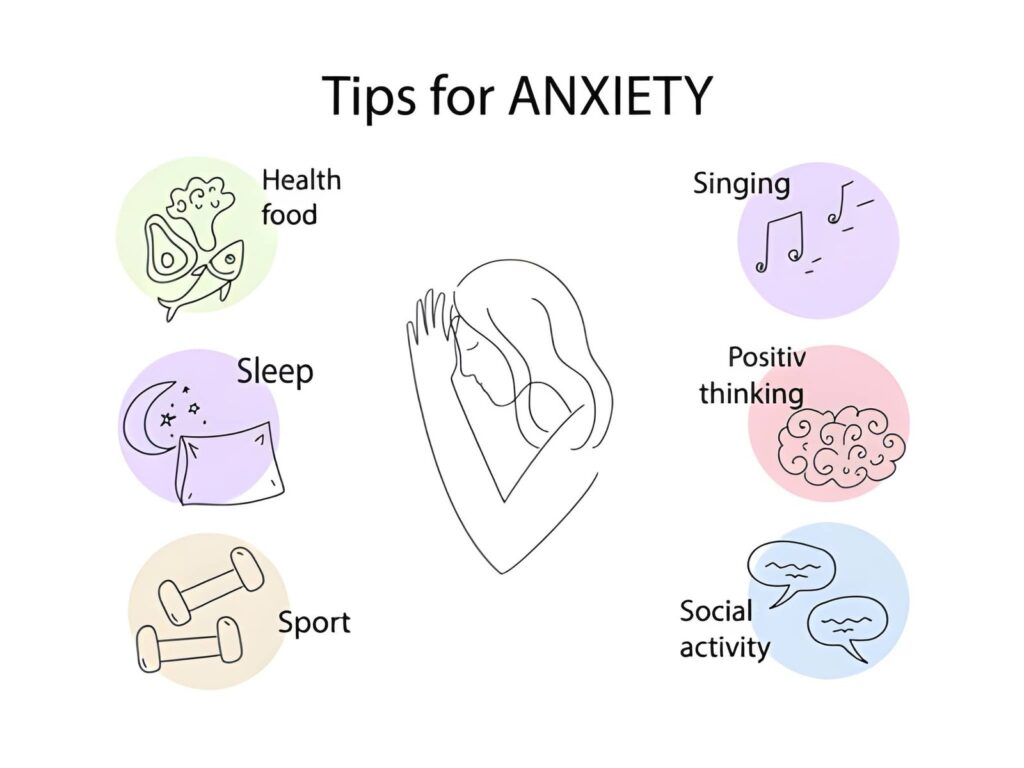
    How to Overcome Test Anxiety Naturally

    Test anxiety is a common challenge for students of all ages. Whether you are https://tg88.gold/ preparing for a school exam, college entrance test, professional certification, or driving test, feeling nervous beforehand is normal. However, when anxiety becomes overwhelming, it can affect concentration, memory, confidence, and performance.

    The good news is that you can overcome test anxiety naturally with simple, practical strategies. By preparing your mind and body, building healthy habits, and learning calming techniques, you can walk into your exam feeling more focused and in control.

    What Is Test Anxiety?

    Test anxiety is a type of performance anxiety that happens before or during an exam. It may cause physical, emotional, and mental symptoms such as:

    – Racing heartbeat

    – Sweaty palms

    – Shaking or nausea

    – Trouble concentrating

    – Negative thoughts

    – Fear of failure

    – Forgetting information you already studied

    A small amount of stress can motivate you to study and stay alert. But too much anxiety can interfere with clear thinking. Learning how to manage test anxiety naturally can help you perform at your best.

    1. Start Studying Early

    One of the most effective natural ways to reduce test anxiety is preparation. Waiting until the last minute increases stress and makes it harder for your brain to retain information.

    Instead, create a study schedule several days or weeks before the test. Break your material into smaller sections and review a little each day. This method is more effective than cramming because it gives your brain time to understand and remember information.

    Try using:

    – Flashcards

    – Practice tests

    – Study guides

    – Summary notes

    – Timed review sessions

    When you feel prepared, your confidence grows, and anxiety naturally decreases.

    2. Practice Deep Breathing

    Deep breathing is a simple but powerful technique for calming test anxiety. When you feel anxious, your breathing often becomes fast and shallow. This can make symptoms worse. Slow, deep breathing signals your nervous system to relax.

    Try this breathing exercise:

    1. Inhale slowly through your nose for four seconds.
    2. Hold your breath for four seconds.
    3. Exhale slowly through your mouth for six seconds.
    4. Repeat for one to three minutes.

    You can practice deep breathing before the exam, while studying, or even during the test if you start to feel overwhelmed.

    3. Use Positive Self-Talk

    Negative thoughts are a major cause of test anxiety. Thoughts like “I’m going to fail” or “I’m not smart enough” can increase panic and reduce focus.

    Replace negative thoughts with positive, realistic statements. For example:

    – “I have prepared for this.”

    – “I can answer one question at a time.”

    – “Feeling nervous does not mean I will fail.”

    – “I know how to calm myself down.”

    Positive self-talk helps train your brain to respond with confidence instead of fear. It may feel strange at first, but with practice, it can make a big difference.

    4. Get Enough Sleep

    Sleep plays a key role in memory, focus, and emotional control. Studying all night may seem helpful, but lack of sleep can increase anxiety and make it harder to recall information.

    Aim for seven to nine hours of sleep the night before your test. If possible, maintain a consistent sleep schedule during the week leading up to the exam.

    To improve sleep naturally:

    – Avoid screens before bed

    – Limit caffeine in the afternoon

    – Keep your room cool and dark

    – Do a relaxing activity, such as reading or stretching

    – Prepare your exam materials the night before

    A rested brain is calmer, sharper, and better prepared for test day.

    5. Eat a Balanced Meal

    What you eat before a test can affect your energy and concentration. Skipping breakfast or eating too much sugar may lead to fatigue, shakiness, or brain fog.

    Choose a balanced meal with protein, complex carbohydrates, and healthy fats. Good options include:

    – Oatmeal with nuts and fruit

    – Eggs with whole-grain toast

    – Greek yogurt with berries

    – A banana with peanut butter

    – A smoothie with protein

    Also, drink enough water. Even mild dehydration can affect focus and mood.

    6. Try Mindfulness Meditation

    Mindfulness is the practice of focusing on the present moment without judgment. It can help reduce anxious thoughts about the future and bring your attention back to what is happening now.

    A simple mindfulness exercise is to sit quietly and focus on your breathing. When your mind wanders, gently bring your attention back to your breath. Practicing for just five to ten minutes a day can help you feel calmer during exams.

    Mindfulness can also be used during a test. If you feel panic rising, pause for a moment, take a breath, and focus on the question in front of you instead of worrying about the entire exam.

    7. Exercise Before Test Day

    Regular physical activity is a natural stress reliever. Exercise releases endorphins, improves mood, and helps reduce tension in the body.

    You do not need an intense workout to benefit. Try:

    – Walking

    – Stretching

    – Yoga

    – Jogging

    – Dancing

    – Light cycling

    Even a 10- to 20-minute walk the day before or morning of your test can help calm your mind and improve focus.

    8. Prepare Your Test-Day Routine

    Uncertainty can increase anxiety, so make your test day as predictable as possible. Prepare everything you need in advance, such as pencils, calculator, ID, water bottle, or admission ticket.

    Plan when you will wake up, what you will eat, how you will get to the test location, and when you will leave. Arriving early gives you time to settle in and breathe before the exam begins.

    Avoid last-minute cramming right before the test. Instead, review key points briefly and focus on staying calm.

    9. Take the Test One Step at a Time

    During the exam, anxiety may tempt you to rush or panic. Slow down and focus on one question at a time.

    Helpful test-taking strategies include:

    – Read directions carefully

    – Answer easier questions first

    – Skip difficult questions and return later

    – Watch the time without obsessing over it

    – Use deep breathing if you feel stuck

    – Review your answers if time allows

    Remember, you do not need to know every answer perfectly to do well.

    When to Seek Extra Support

    Natural strategies can be very effective, but if test anxiety is severe or affects your daily life, consider speaking with a teacher, counselor, therapist, or healthcare professional. Support is available, and you do not have to manage anxiety alone.

    Final Thoughts

    Learning how to overcome test anxiety naturally takes practice, patience, and consistency. By studying early, sleeping well, eating properly, using Thể thao TG88 breathing techniques, and changing negative thoughts, you can reduce stress and improve your performance.

    Tests may always bring some nerves, but anxiety does not have to control you. With the right natural strategies, you can feel calmer, more confident, and ready to do your best.

     

  • Best Fertilizers for Healthy Crops

    Best Fertilizers for Healthy Crops

    Growing healthy crops starts with healthy soil. Whether you manage a large farm, a vegetable garden, or a small backyard plot, choosing the best fertilizers for healthy crops can make a major difference in plant growth, yield, and resistance to pests and diseases. Fertilizers provide https://king88.wiki/ essential nutrients that crops need to develop strong roots, vibrant leaves, flowers, fruits, and seeds.

    The right  fertilizer depends on your soil condition, crop type, climate, and growing goals. This guide explains the best fertilizer options, key nutrients, and practical tips to help you grow productive, healthy crops.

    Why Fertilizer Is Important for Crop Growth

    Plants require nutrients to complete their life cycle. While soil naturally contains many of these nutrients, repeated planting, harvesting, erosion, and poor soil management can reduce fertility over time. Fertilizers replace missing nutrients and help crops grow faster and stronger.

    Healthy fertilization can improve:

    – Root development

    – Leaf growth and photosynthesis

    – Flowering and fruit production

    – Crop yield and quality

    – Soil structure and microbial activity

    – Resistance to drought, pests, and diseases

    However, using too much fertilizer or applying the wrong type can harm crops, damage soil, and pollute water. That is why it is important to understand what your crops need before fertilizing.

    Understanding Essential Crop Nutrients

    Most fertilizers contain three primary nutrients: nitrogen, phosphorus, and potassium. These are often shown on fertilizer labels as N-P-K numbers, such as 10-10-10 or 5-10-5.

    Nitrogen for Leafy Growth

    Nitrogen supports green, leafy growth and is essential for photosynthesis. Crops such as corn, lettuce, spinach, cabbage, and grasses often need higher nitrogen levels. A nitrogen deficiency may cause pale green or yellow leaves and slow growth.

    Phosphorus for Strong Roots

    Phosphorus helps crops develop strong root systems, flowers, and seeds. It is especially important during early plant growth and for root crops such as carrots, potatoes, onions, and beets. A lack of phosphorus can lead to weak roots and delayed maturity.

    Potassium for Plant Health

    Potassium improves overall plant strength, water regulation, disease resistance, and fruit quality. Crops such as tomatoes, peppers, beans, fruits, and grains benefit from potassium-rich fertilizers. Low potassium may cause weak stems, poor fruit development, and leaf edge browning.

    Organic Fertilizers for Healthy Crops

    Organic fertilizers are made from natural materials such as plant matter, animal waste, minerals, and compost. They release nutrients slowly and improve soil health over time.

    Compost

    Compost is one of the best fertilizers for healthy crops because it adds nutrients, improves soil structure, and supports beneficial microorganisms. It can be used in vegetable gardens, orchards, flower beds, and field crops. Compost also helps soil retain moisture and reduces the need for chemical inputs.

    Manure

    Well-rotted animal manure is rich in nutrients and organic matter. Cow, chicken, horse, and sheep manure are commonly used in farming. Chicken manure is high in nitrogen, while cow manure is milder and good for improving soil texture. Always use aged or composted manure to avoid burning plants or spreading harmful pathogens.

    Bone Meal

    Bone meal is a natural source of phosphorus and calcium. It is useful for root development and flowering crops. Gardeners often apply bone meal when planting bulbs, tomatoes, peppers, and root vegetables.

    Fish Emulsion

    Fish emulsion is a liquid organic fertilizer that provides nitrogen and trace minerals. It works quickly compared to many organic fertilizers and is ideal for leafy vegetables, seedlings, and container crops.

    Seaweed Fertilizer

    Seaweed fertilizer contains trace minerals, growth hormones, and beneficial compounds that improve crop resilience. It is often used as a foliar spray or soil drench to support plant health during stress.

    Synthetic Fertilizers for Fast Results

    Synthetic fertilizers are manufactured to provide specific nutrient ratios. They are fast-acting and useful when crops need immediate nutrient support. Common types include granular fertilizers, liquid fertilizers, and water-soluble powders.

    Balanced fertilizers such as 10-10-10 are suitable for general crop feeding. High-nitrogen fertilizers are useful for leafy greens and corn, while fertilizers with more phosphorus and potassium are better for flowering and fruiting crops.

    Although synthetic fertilizers can produce quick results, they should be used carefully. Overuse may cause nutrient runoff, soil imbalance, and plant damage.

    Slow-Release Fertilizers

    Slow-release fertilizers provide nutrients gradually over several weeks or months. They are helpful for reducing nutrient loss and preventing overfeeding. These fertilizers are commonly used for vegetables, fruit trees, ornamental crops, and container plants.

    Slow-release options can be organic, such as compost and manure, or synthetic, such as coated granules. They are a good choice for growers who want steady nutrition with fewer applications.

    How to Choose the Best Fertilizer for Your Crops

    The best fertilizer for healthy crops depends on soil test results. A soil test shows nutrient levels, pH, and organic matter content. This information helps you avoid guessing and prevents unnecessary fertilizer use.

    When choosing fertilizer, consider:

    – Crop nutrient requirements

    – Soil fertility and pH

    – Growth stage of the plant

    – Organic vs. synthetic preference

    – Application method

    – Environmental impact

    For example, leafy crops usually need more nitrogen, while fruiting crops need balanced nutrients with enough potassium. Root crops benefit from phosphorus but may produce too much leafy growth if overfed with nitrogen.

    Fertilizer Application Tips

    Apply fertilizer at the right time and in the right amount for the best results. Many crops benefit from fertilizer before planting and again during active growth.

    Useful fertilizing tips include:

    – Test soil before applying fertilizer

    – Follow label instructions carefully

    – Water crops after applying granular fertilizer

    – Avoid fertilizing during extreme heat

    – Keep fertilizer away from stems and leaves unless it is designed for foliar use

    – Use compost regularly to build long-term soil fertility

    – Rotate crops to reduce nutrient depletion

    Applying fertilizer evenly is also important. Uneven application may cause some plants to grow too quickly while others remain weak.

    Common Fertilizer Mistakes to Avoid

    One of the most common mistakes is using too much fertilizer. Excess nutrients can burn roots, delay flowering, reduce fruit quality, and contaminate groundwater. Another mistake is applying fertilizer without knowing soil needs.

    Avoid using fresh manure directly on crops, especially vegetables eaten raw. Fresh manure can contain harmful bacteria and may be too strong for young plants. Also, do not rely only on fertilizers while ignoring soil health. Good crop production requires organic matter, proper watering, crop rotation, and pest management.

    Final Thoughts

    The best fertilizers for healthy crops are those that match  Game Bài King88 your soil condition and crop needs. Compost, aged manure, fish emulsion, bone meal, seaweed fertilizer, balanced synthetic fertilizers, and slow-release formulas can all support strong plant growth when used correctly.

    For long-term success, focus on building healthy soil, testing regularly, and applying nutrients responsibly. With the right fertilizer plan, your crops can grow stronger, produce higher yields, and stay healthier throughout the growing season.