Greenhouse Farming for Year-Round Production
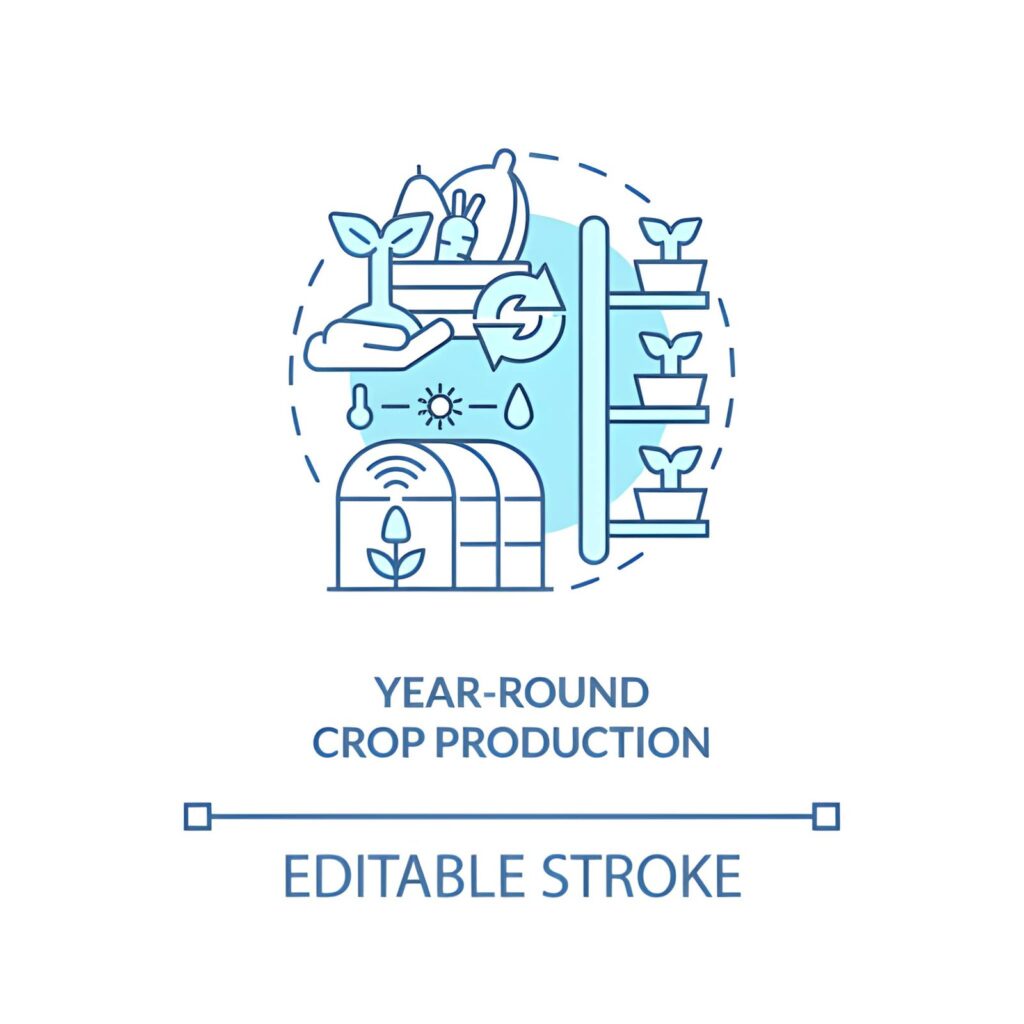
Greenhouse farming has become one of the most effective ways to grow crops throughout the year, regardless of outdoor weather conditions. By creating a controlled environment, farmers can protect plants from extreme temperatures, pests, heavy rainfall, drought, and seasonal changes. This method is widely used for growing vegetables, fruits, herbs, flowers, and seedlings, making it a valuable solution for commercial growers and small-scale farmers alike.
As demand for fresh produce increases, greenhouse farming for year-round production offers a reliable way to improve crop quality, increase yields, and maintain a consistent supply to the market.
What Is Greenhouse Farming?
Greenhouse farming is the practice of growing crops inside a structure covered with transparent or semi-transparent materials such as glass, polycarbonate, or plastic film. These coverings allow sunlight to enter while trapping heat inside, creating a warm and protected environment for plants.
Modern greenhouses may include systems for temperature control, irrigation, ventilation, lighting, humidity management, and pest prevention. Depending on the level of technology used, greenhouses can range from simple low-cost structures to advanced climate-controlled facilities.
Benefits of Greenhouse Farming
1. Year-Round Crop Production
One of the biggest advantages of greenhouse farming is the ability to grow crops in all seasons. Farmers are no longer fully dependent on outdoor weather patterns. During winter, greenhouses help retain warmth, while in hot seasons, ventilation and shading systems can reduce excessive heat.
This allows growers to produce fresh vegetables, herbs, and flowers even when field production is not possible. As a result, farmers can supply markets consistently and take advantage of higher prices during off-seasons.
2. Higher Crop Yields
Greenhouses provide ideal growing conditions, which often lead to faster plant growth and higher yields. Crops receive better protection from wind, storms, frost, and temperature fluctuations. With proper management, plants can grow healthier and produce more compared to open-field farming.
Farmers can also use vertical growing systems, raised beds, hydroponics, and precision irrigation to maximize production in limited space.
3. Improved Crop Quality
Controlled environments help produce uniform, clean, and high-quality crops. Since plants are protected from dust, heavy rain, and many pests, the final produce often has better appearance, texture, and shelf life.
High-quality crops can attract better market prices, especially in supermarkets, restaurants, and export markets where consistency and appearance are important.
4. Efficient Water Use
Greenhouse farming can significantly reduce water waste. Drip irrigation, misting systems, and hydroponic setups deliver water directly to plant roots, minimizing evaporation and runoff.
In areas facing water scarcity, greenhouse farming is an excellent option because it allows farmers to grow more food using less water. Some advanced greenhouses also collect and reuse water, further improving efficiency.
5. Better Pest and Disease Control
Greenhouses create a barrier between crops and many external pests. Insect screens, controlled entry points, and sanitation practices help reduce pest infestations. Because of this, farmers may use fewer chemical pesticides, resulting in safer and more sustainable food production.
However, pests and diseases can still occur inside greenhouses if management is poor. Regular monitoring, proper ventilation, and integrated pest management are essential for healthy crops.
Best Crops for Greenhouse Farming
Many crops can be grown successfully in greenhouses, but some are especially popular because of their high market demand and profitability.
Vegetables
Tomatoes, cucumbers, peppers, lettuce, spinach, kale, and eggplants are common greenhouse vegetables. Tomatoes and cucumbers are particularly popular in commercial greenhouse farming because they produce high yields and have strong market demand.
Herbs
Basil, mint, parsley, coriander, thyme, and oregano grow well in greenhouse conditions. Herbs are suitable for small spaces and can be sold fresh to restaurants, grocery stores, and local markets.
Fruits
Strawberries, melons, and certain varieties of berries can be grown in greenhouses. Greenhouse fruit production allows farmers to extend growing seasons and improve fruit quality.
Flowers and Ornamentals
Greenhouses are widely used forgrowing roses, orchids, lilies, and other ornamental plants. Flowers often require specific temperature and humidity levels, making greenhouse production ideal.
Key Requirements for Successful Greenhouse Farming
Proper Site Selection
Choosing the right location is important for greenhouse success. The site should receive enough sunlight, have good drainage, and be protected from strong winds. Access to clean water, electricity, and markets is also important.
Climate Control
Temperature, humidity, ventilation, and light must be carefully managed. Too much heat can stress plants, while excess humidity may encourage fungal diseases. Fans, vents, heaters, shade nets, and cooling systems help maintain the right growing environment.
Quality Soil or Growing Medium
Healthy roots are essential for strong plants. Farmers can grow crops in soil, coco peat, compost, perlite, rockwool, or hydroponic nutrient solutions. The growing medium should support root growth, retain moisture, and allow proper drainage.
Irrigation and Fertilization
Consistent watering and balanced nutrients are key to high yields. Drip irrigation and fertigation systems allow farmers to supply water and fertilizer directly to crops. This improves efficiency and reduces waste.
Regular Monitoring
Greenhouse crops require daily attention. Farmers should monitor temperature, humidity, soil moisture, pests, diseases, and plant growth. Early detection of problems helps prevent major losses.
Greenhouse Farming and Sustainability
Greenhouse farming supports sustainable agriculture by using resources more efficiently. It can reduce land pressure, conserve water, limit pesticide use, and produce food closer to consumers. When combined with renewable energy, rainwater harvesting, composting, and organic pest control, greenhouse farming becomes even more environmentally friendly.
Urban greenhouse farming is also growing in popularity. Rooftop greenhouses and small backyard structures allow people to produce fresh food in cities, reducing transportation costs and improving food security.
Challenges of Greenhouse Farming
Despite its many benefits, greenhouse farming has challenges. Initial construction costs can be high, especially for advanced systems. Farmers also need technical knowledge to manage climate, irrigation, pests, and nutrients.
Poor management can lead to overheating, disease outbreaks, low yields, or high operating costs. For this reason, proper training, planning, and record-keeping are essential before starting a greenhouse farming business.
Conclusion
Greenhouse farming for year-round production is a powerful solution for modern agriculture. It allows farmers to grow crops in every season, increase yields, improve quality, and use water more efficiently. With the right structure, crop selection, and management practices, greenhouse farming can be profitable and sustainable.
As climate change and food demand continue to challenge traditional farming, greenhouses offer a practical way to produce fresh, healthy crops all year long. Whether for commercial agriculture or small-scale food production, greenhouse farming is an investment in reliable and efficient crop production.